

Ever noticed how some feelings stick around in your body, even when you try to ignore them? This article explores the mind-body connection. It shows how your body can hold onto feelings your brain tries to overlook.
As we dive into this complex relationship, you’ll see why it’s key to understand your body’s signals. By listening to your body, you start a journey that goes beyond just thinking. It’s about connecting deeply with your emotional and physical health.
Key Takeaways
- The mind-body connection plays a crucial role in overall health.
- Your body stores emotions and experiences that may not be consciously acknowledged.
- Acknowledging bodily signals can lead to improved well-being.
- Understanding the interplay between mind and body enhances personal growth.
- True transformation requires looking beyond mindset alone.
The Core Concept of Mind-Body Connection
The mind-body relationship shows how your mind and body are connected. This connection is key to holistic health practices. Your thoughts and feelings can make your body feel different. For example, stress can make your muscles tight, while calmness can make you feel relaxed.
Body awareness is important in this connection. Paying attention to how your body feels can help you understand your emotions. This awareness helps you deal with issues in a better way. Growing your emotional and physical awareness helps you stay healthy in both mind and body.
What is Nervous System Regulation?
Nervous system regulation keeps the body’s stress response in balance. It starts with the autonomic nervous system, which controls many body functions. This system has two main parts: the sympathetic, for fight-or-flight, and the parasympathetic, for rest-and-digest.
Good nervous system regulation helps you handle stress better. It supports both your emotional and physical health. A well-regulated system makes it easier to switch between fight-or-flight and rest-and-digest modes. This helps you deal with stress without getting overwhelmed.
Learning about cognitive physiology helps you see how your nervous system affects your health. A balanced approach to nervous system regulation builds resilience and emotional stability. It also strengthens the connection between your mind and body.
Why Your Body Holds What Brain Ignores
Your body can hold onto emotions and experiences that your brain might ignore. This is linked to your subconscious beliefs, which influence how you see and react to things. When you face trauma or stress, your body can show emotional pain in different ways.
These feelings might not be spoken out loud but can still affect your health. Symptoms like tension, pain, or fatigue could be signs of unresolved emotional issues. It’s common for your brain to ignore these feelings, but your body speaks up through discomfort.
Understanding this body-brain communication is key to healing. Knowing that your body keeps these emotions helps you understand your health and feelings better. Working on these issues is important for a healthy balance between your body and mind.
Mindset Transformation: Moving Beyond Logic
Changing your mindset is key to true healing. It’s not just about thinking clearly; it’s about looking deep into your self-limiting beliefs. These beliefs can hold you back and stop you from trying new things.
Stepping out of your comfort zone is hard but necessary. It’s the first step to real change.
Adding emotional intelligence integration to your journey helps a lot. It lets you understand your feelings better. This way, you can see things that logic can’t.
When you face your emotions, you might feel scared or unsure. But facing these feelings is crucial. It helps you overcome obstacles.
Remember, growth happens when you explore the unknown. Embracing uncertainty can teach you a lot. It leads to a more fulfilling and healthy life.

Understanding Neuroplasticity
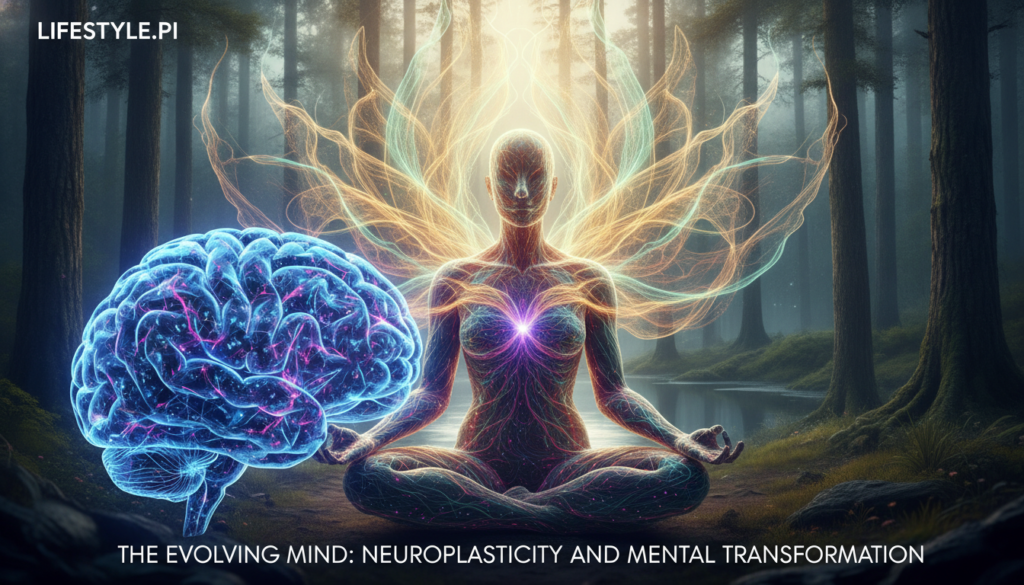
Neuroplasticity is the brain’s amazing ability to change and grow by making new connections. This happens throughout your life. By focusing on body awareness, you help your brain change in powerful ways.
Practices like mindfulness meditation show how this works. It makes you calm and clear-minded. Your brain can adapt and change with effort, leading to better habits and health.
Psychological versus Physiological Responses
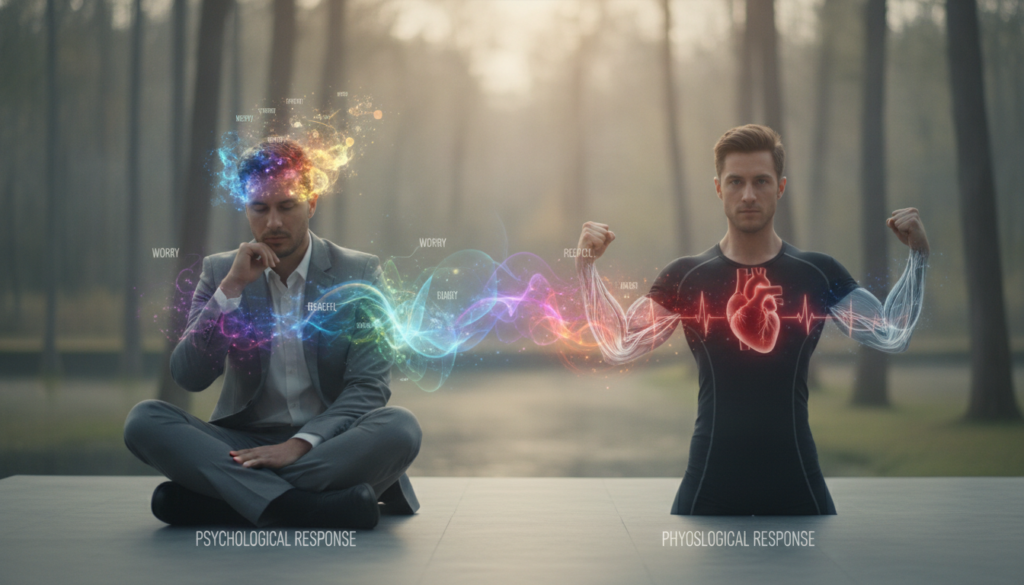
It’s important to know the difference between psychological and physiological responses for your health. Psychological responses, like anxiety and fear, come from your thoughts and feelings. These can deeply affect your mental state.
Physiological responses, however, are physical reactions, such as a faster heart rate or tense muscles. They happen because of your psychological responses.
Stress can make your body change in many ways. This can cause physical symptoms that show how stressed you are. It’s key to understand this connection to handle both kinds of responses well.
By knowing how your mind affects your body, you can build emotional strength. This helps you take better care of your health. Work on improving both your mental and physical health for a better life.
Beyond Mindset — Why Your Body Holds What Brain Ignores
The connection between your body and mind is often overlooked. Many people don’t realize how deeply it affects our emotions. Somatic experiencing helps us reconnect with our body’s feelings and emotions that our mind might ignore.
This method teaches us to listen to what our body says. It helps us access feelings we’ve stored away. By doing so, we can understand ourselves better and heal deeper.
When you listen to your body, you learn how it influences your emotions. This can bring clarity to your feelings. It helps you see patterns that might have blocked you from feeling fully.
By exploring these feelings, you gain insight into past experiences. This approach to healing sees both your mind and body as important. It helps you take charge of your emotional health and face life’s challenges differently.

Practicing Mind-Body Integration
Practicing mind-body integration can boost your holistic health. It helps you connect your emotions and physical feelings better. Mindfulness is a great starting point. Just a few minutes of focusing on your breath each day can help you tune into your body.
Meditation is also very effective. It helps quiet your mind and makes you more aware of your body. Try different types of meditation, like guided sessions or body scans, to find what works for you.
Yoga or tai chi can also help. These activities focus on breathing and smooth movements. They help you become more aware of your body. Doing these regularly can improve your physical and emotional health.

The Impact of Mental State on Physical Health
Your mental state can greatly affect your physical health. Studies show a strong link between feeling good emotionally and better health. Stress and anxiety can make your body feel sick, leading to headaches, stomach problems, and heart issues. It’s important to understand this connection for better mind-body wellness.
How you think and feel can affect your body. For instance, long-term stress can weaken your immune system. This makes you more likely to get sick. Knowing about these connections is key, showing how our minds affect our bodies.
Looking into how negative feelings affect us helps us see why managing stress is crucial. By focusing on mind-body wellness, you can improve your health. Learning ways to better your mental state can lead to a healthier life.

Exploring Body-Brain Communication
Understanding how your brain and body talk to each other is key to better health. This connection is more than just signals from your brain. It involves a balance of emotional intelligence and somatic intelligence. Your body sends messages to your brain, affecting your thoughts and feelings.
For example, feelings in your gut can tell your brain how you’re doing. This shows how closely your gut and brain are connected.
This connection is important for your mental health. Paying attention to your body’s signals helps you notice and deal with emotions you might miss otherwise. This way, you can take care of your whole self, not just your mind.
Improving this connection is simple. Mindfulness, like meditation or deep breathing, helps you link body signals with clear thinking. As you get better at this, you’ll face life’s ups and downs with more understanding and strength.
Conclusion
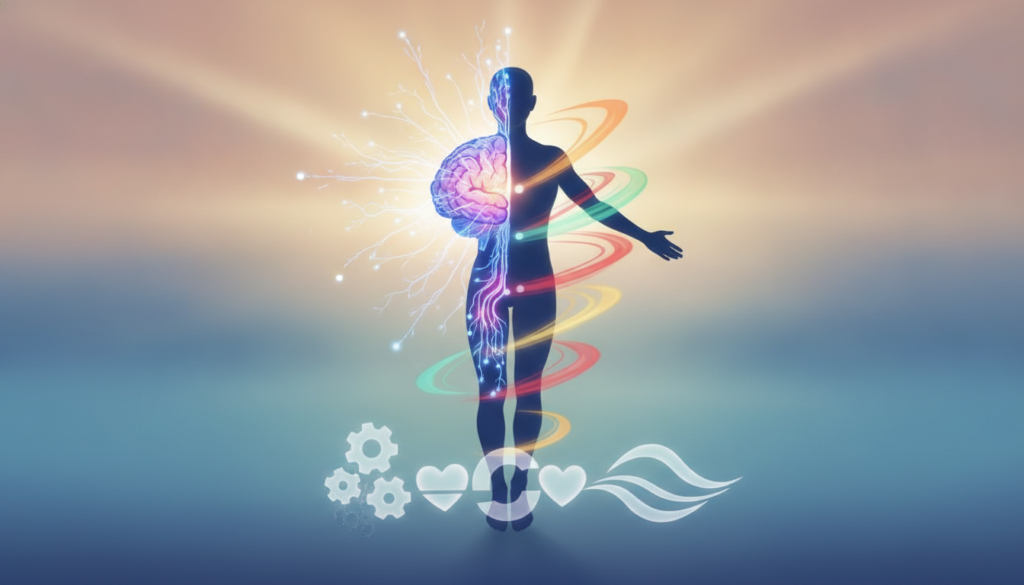
We’ve learned that knowing how your body holds what your brain ignores is key to healing. This journey shows us that mental and physical aspects are connected. They are not separate but part of your overall health.
Embracing holistic health means more than just thinking. It’s about working with your body’s physical responses. True wellness comes from feeling, processing, and responding to your body’s signals.
Valuing both mind and body leads to better health and balance. Holistic health is not just about thoughts. It’s about feeling and understanding yourself fully.