
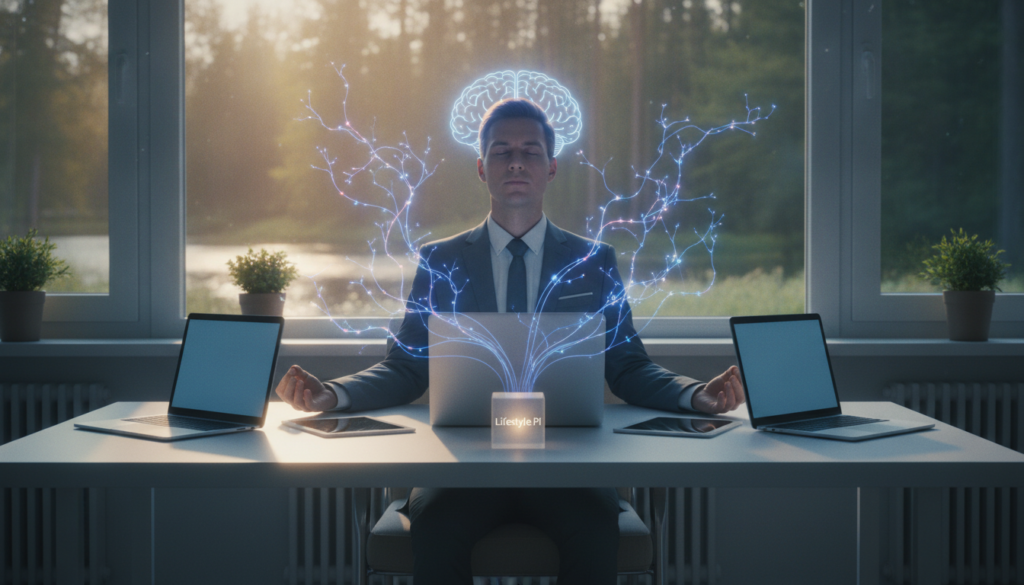
Have you ever thought about how your screen time affects your mental health? In today’s world, it’s key to know about The Screen-Stimulated Nervous System: How to Manage Yours. Too much screen time can mess with your nervous system, hurting your health.
By understanding how digital habits affect your body, you can manage your screen time better. This helps improve your mental health. This article will give you tips on controlling your screen use for better mental health.
Key Takeaways
- Understanding the effects of screens on the nervous system is crucial.
- Excessive screen time can lead to mental health challenges.
- Managing your screen use is essential for digital wellness.
- Recognizing signs of dysregulation can help you take proactive steps.
- Effective technology addiction management strategies are key.
Understanding the Screen-Stimulated Nervous System
The autonomic nervous system controls your body’s functions without you even thinking about it. It has two main parts: the sympathetic system, which gets you ready to fight or flee, and the parasympathetic system, which helps you relax and digest. Keeping these systems in balance is key to feeling good.
In our digital world, many people’s sympathetic system is always on. This is because screens keep stimulating us. The screen-stimulated nervous system can cause ongoing stress, making us stay alert all the time. It’s important to notice this imbalance and use digital balance techniques to get back in sync. By controlling how much time we spend on screens and finding ways to relax, we can better handle technology’s impact on our nervous system.
Signs of a Dysregulated Nervous System
It’s important to know the signs of a nervous system that’s not working right. You might feel tired all the time, get headaches, or feel really anxious. Emotional ups and downs can also be a sign, making it hard to handle stress.
Other signs include racing thoughts or trouble focusing. These can mean your nervous system is off balance. It’s key to notice these signs early to help your mental health.
Too much screen time can cause these problems. It’s vital to manage screen addiction. If you ignore these signs, it can lead to more issues with digital distractions. By spotting these symptoms early, you can start to feel better and get your nervous system back in balance.

How Screen Time Affects Your Mental Health
In today’s world, knowing how screen time impacts mental health is key. Too much screen time can lead to anxiety and depression. Studies show it can make stress worse, making it tough to handle emotions.
This can cause feelings of loneliness and trouble managing emotions. It’s important to see how tech addiction affects our mental health.
As you use devices more, your mental health can suffer. It’s vital to develop good screen habits for your well-being.
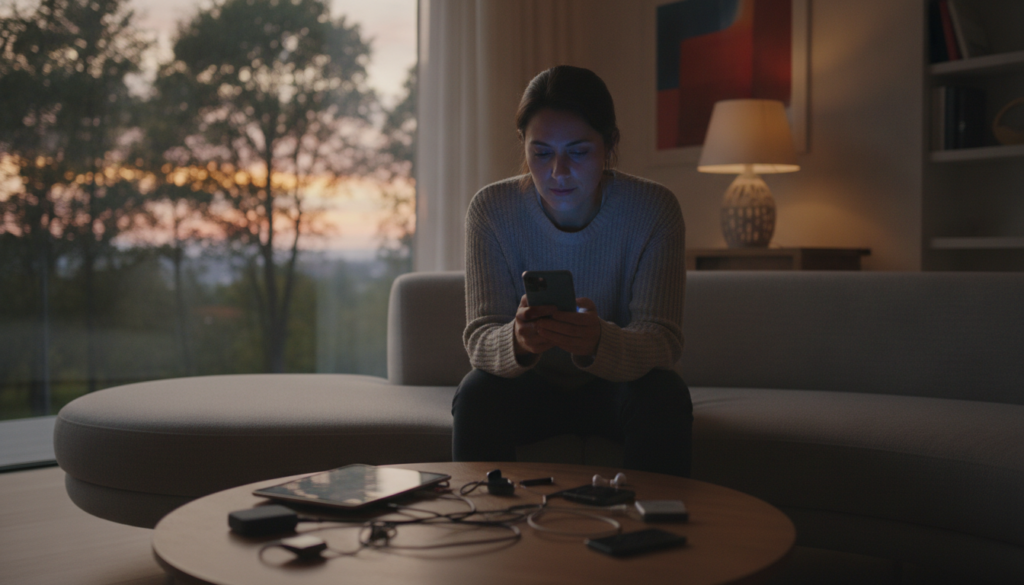
Using strategies for digital stress reduction can help. Simple steps like setting screen time limits and choosing real-life interactions can improve your life. By making these changes, you can better your mental health and still enjoy technology’s benefits.
Stress Responses and Technology Addiction
In today’s world, technology addiction often shows up as a way to deal with stress. You might turn to your phone or tablet when you’re feeling anxious. Apps and endless scrolling become a distraction, but they can also start a cycle of stress responses.
Notifications from social media and messaging apps can overwhelm you. Each alert adds to your stress, making it hard to find calm. It’s important to see how this constant distraction can turn into compulsive behavior.
Finding a balance is key for your mental health. Using technology can be rewarding when done thoughtfully. But, getting caught in addictive patterns can make you feel overwhelmed. Being aware of your tech use helps reduce stress and brings back your peace in a digital world.
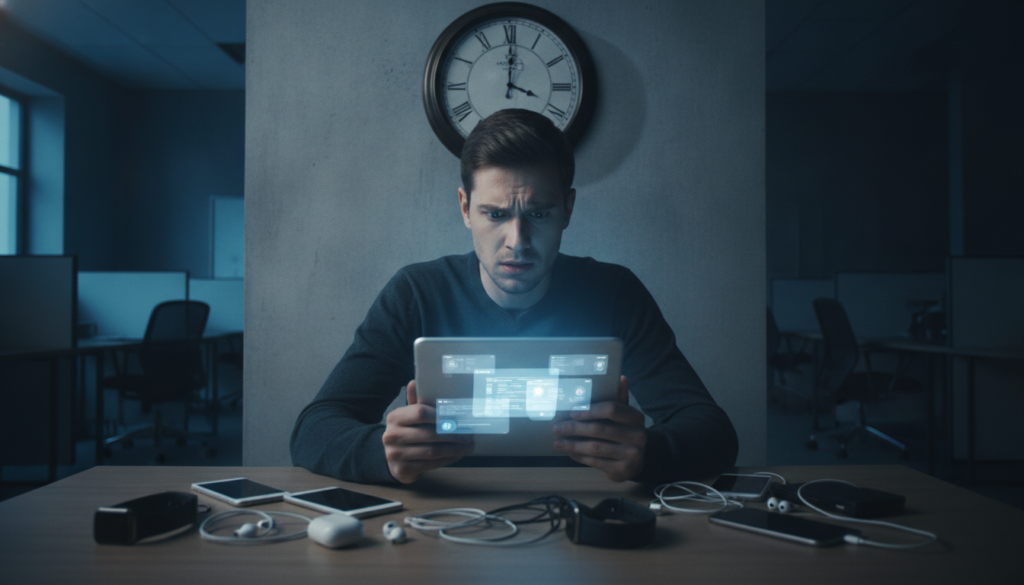
Mindfulness Practices for Managing Screen Use
In today’s digital world, mindfulness can help manage screen time. Studies show that activities like meditation and focused breathing can fight the harm of too much screen time. By using digital mindfulness techniques, you can have a better relationship with technology and reduce digital stress.
Try diaphragmatic breathing to calm your mind when screens make you anxious. Yoga also helps by making you aware of your body and the present moment. These simple steps can stop negative thoughts caused by too much screen time.
Adding these mindfulness practices to your daily life improves focus and mental health. By choosing to do these things, you can find balance in our world filled with screens.

Effective Screen Time Management Strategies
Finding a healthy balance in your daily routine starts with screen time management. Begin by setting limits on how long you use screens each day. Use apps to monitor and limit your screen time, helping you stay on track.
Creating digital-free zones in your home is another smart move. Make areas like the dining room or bedroom tech-free. This encourages healthier screen habits and helps you connect better with family and friends.
Regular breaks from screens can greatly improve your well-being. Try to take short breaks every hour to rest your eyes and mind. Use these moments to stretch or take a walk, balancing screen time with physical activity.
Lastly, make time for activities that don’t involve screens, like reading or crafting. These activities promote healthy screen habits and add richness to your life. Being proactive about your screen use can change how you view technology.

The Screen-Stimulated Nervous System: How to Manage Yours
To manage your nervous system in today’s tech world, start by finding what stresses you. Knowing what tech issues bother you helps you deal with them better. Make sure to take breaks every day to give your mind a rest.
Using mindfulness is also key. Try meditation or deep breathing to help with digital wellness. Just a few minutes of mindfulness during screen time can make a big difference. It helps you stay calm and enjoy your time online more.
Try different ways to reduce stress and see what works for you. Everyone is different, so finding the right method is important. Keep checking your habits and strategies to make sure they’re working for you. This way, you can always improve how you handle screen time.

Digital Detox: Resetting Your Nervous System
Trying digital detox can really improve your well-being. Taking breaks from screens helps your nervous system relax. Start by setting aside time each week to not use devices. This could mean turning off your phone or stepping away from the computer.
Creating a device-free space in your home is a good idea. Fill it with things that inspire creativity or calmness, like books or plants. Having family or friends join you can make it more fun and help you stay on track.

Regular digital detoxes can reduce stress and clear your mind. Experts say to keep a gratitude journal during these times. Writing down things you’re thankful for can help you feel better.
Committing to these practices can improve your tech use and mental health. It’s a step towards a healthier life.
Integrating Mindfulness Techniques for Tech Use
In today’s fast world, using mindfulness techniques for tech use can make tech better. It helps you use your devices more thoughtfully. Start by setting times for tech use. This makes you notice how often you use your phone or social media.
Try adding short mindfulness breaks to your tech time. Before checking email or social media, pause, breathe, and set an intention. These breaks can change how you use tech, making it more positive.

Using digital well-being tips can also make tech better. Change your notification settings to cut down distractions. This helps you stay focused, boosting productivity and reducing stress.
Practice technology mindfulness by checking how screen time affects you. Think about if tech activities make you happy or stressed. This helps you choose better when and how to use tech, leading to a better digital life.
Stress Reduction Techniques in a Digital World
Being always connected to screens can make us feel overwhelmed and stressed. To keep our mental health in check, we need to find ways to relax. One key step is to take breaks from our devices. Set aside time each day to disconnect and let our minds rest.
Physical activity is another great way to fight digital stress. Exercise is good for our bodies and minds. It makes us feel better and helps us think clearer. Our bodies release happy hormones when we move, helping us relax.
Spending time in nature is also beneficial. A simple walk in the park or some gardening can help us feel better. Being outside helps us see things from a different perspective and improves our well-being.
By adding these activities to our daily lives, we can live more balanced. This helps us deal with the stress of technology better. It makes our relationship with digital devices healthier and more positive.

Conclusion
As we finish our look at the screen-stimulated nervous system, it’s key to think about the role of awareness. Knowing how too much screen time affects your mind helps you take action. It’s crucial for keeping your nervous system healthy.
Using the mindfulness tips and strategies we’ve talked about can help you fight tech addiction. Remember, beating screen addiction is a long-term effort. Every mindful choice you make boosts your well-being and strengthens your connection with technology.
Change is possible. Start using the strategies we’ve discussed, stay mindful, and see how your tech use changes. A balanced approach to screens improves your life and boosts your mental and emotional health.