
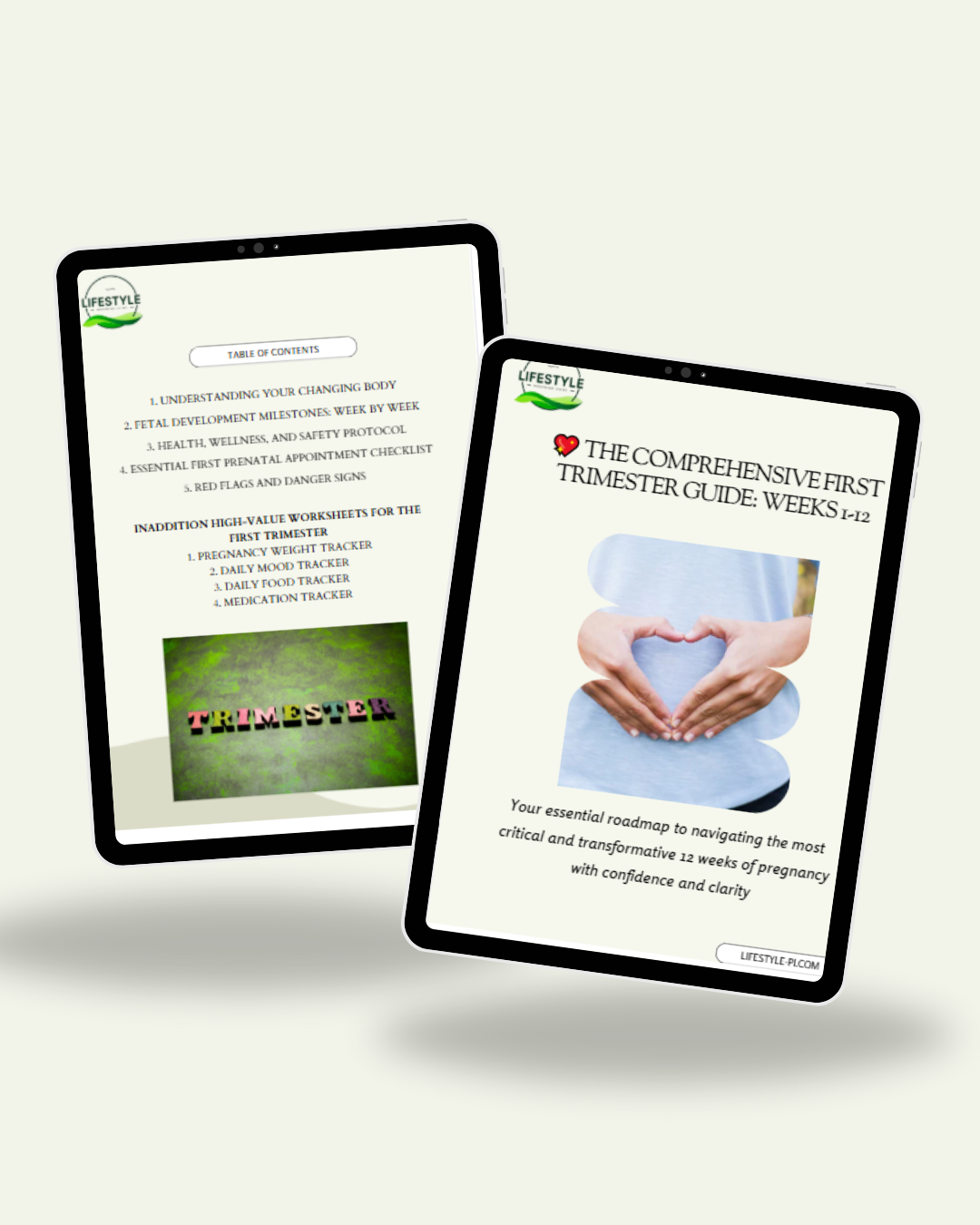
💖 The Comprehensive First Trimester Guide: Weeks 1-12

💖 The Comprehensive First Trimester Guide: Weeks 1-12
Congratulations on starting this amazing journey! You might feel lots of emotions, like excitement and a little worry. The first three months are not just about your body changing. It’s also about growing a new life and feeling the wonder of pregnancy.
This guide is here to help you. It covers everything you need to know about staying healthy during the first trimester. Whether you’re feeling sick in the morning or feeling happy, you’re not alone. Each week, you’ll learn something new and exciting.
You’ll learn about your body, your baby’s growth, and how to stay healthy. Let this guide be your friend as you get ready for your baby’s arrival and the journey of motherhood.
- This guide provides essential information for navigating the first trimester of pregnancy.
- Get familiar with the physical and emotional changes that occur during these early weeks.
- Understand the critical milestones in your baby’s development, week by week.
- Learn best practices for maintaining your health and wellness in this transformative period.
- Prepare for your first prenatal appointment with a detailed checklist.
- Recognize red flags and signs that may indicate a need for immediate medical attention.
- Gain insights into nutrition and wellness tips tailored for the first trimester.
Understanding Your Changing Body
In the first trimester, your body changes a lot. Hormones rise, causing symptoms like nausea, tiredness, and mood swings. These changes are normal and can be tracked to better understand your body.
Knowing what happens each week helps you feel ready for these changes. It also helps you talk better with your doctor. This knowledge makes your pregnancy journey more special.
Fetal Development Milestones: Week by Week

fetal development milestones week by week
Fetal development in the first trimester is amazing. Life starts right after conception and grows fast. Watching your baby grow week by week is incredible.
By week 12, your tiny embryo looks like a real baby. Many important things happen in these early weeks.
- Weeks 1-2: These weeks are all about getting ready for pregnancy.
- Week 3: The fertilized egg attaches to the uterine lining. This is when your baby starts to grow.
- Week 4: The embryo starts to make a heart and blood system.
- Weeks 5-6: Organs like lungs and liver start to form. Limbs begin to look like arms and legs.
- Week 7: The brain grows fast, setting up for your baby’s nervous system.
- Week 8: Eyes and ears start to form on the face.
- Weeks 9-10: Fingers and toes start to form. Now it’s called a fetus.
- Week 11: The fetus starts to move, but you can’t feel it yet. It also starts to make its fingerprints.
- Week 12: Most organs are formed, and it looks like a baby.
Knowing these milestones shows how important each week is. As you track your pregnancy, you’ll see amazing growth. It’s a time of wonder and joy as you watch your baby grow.
Health, Wellness, and Safety Protocol

pregnancy healthcare
Your first trimester is key for setting up your pregnancy health. Going to prenatal care often is very important. It helps you and your baby stay healthy.
Think about making some lifestyle changes. These can help a lot:
- Gentle Exercise: Try walking or prenatal yoga to feel better.
- Nutrition: Eat lots of fruits, veggies, and whole grains for your baby’s growth.
- Stress Management: Use meditation or deep breathing to stay calm.
It’s also important to follow safety rules. Avoid foods like raw seafood and unpasteurized dairy. Stay away from things like tobacco and too much caffeine. These steps keep you and your baby safe.
Using a first trimester checklist can help you stay on track. It keeps you focused on being healthy and safe.
Essential First Prenatal Appointment Checklist

essential prenatal appointment
Your first prenatal appointment is a big step toward becoming a mom. It’s the start of your pregnancy care. Having a checklist for the first trimester helps make the visit smoother and talks better with your doctor.
It’s good to have important papers and questions ready. Here are things to think about before you go:
- Medical History: Bring a detailed record of your health history, including any previous pregnancies, complications, or medical conditions.
- Insurance Information: Ensure you have your insurance details handy to facilitate billing and coverage inquiries.
- Medications: List any medications, including over-the-counter drugs and supplements, that you currently take.
- Questions: Prepare specific questions about what to expect in terms of prenatal care tips and screening tests during your pregnancy health in first trimester.
Being ready for your first prenatal appointment makes you a part of your care. With these tips, you can handle the appointment well. This helps start your pregnancy on a healthy note.
Red Flags and Danger Signs

red flags in pregnancy
It’s important to know the red flags in pregnancy for your health. In the early weeks, listen to your body’s signals. This can help you and your baby stay healthy. Watch for first trimester symptoms that might mean trouble.
- Severe abdominal pain that does not subside
- Heavy bleeding, which could be a sign of miscarriage or other serious issues
- Extreme dizziness or fainting
- Chills or fever that persists
- Significant swelling in your hands or face
Spotting these problems early helps you get medical help fast. Going to prenatal care early means any issues get fixed quickly. Knowing these danger signs makes you feel more in control during your pregnancy.
💖 The Complete First Trimester Guide: Weeks 1-12

the complete first trimester guide
The first trimester is a key time in your journey to becoming a mom. It’s filled with big changes, feelings, and important moments. Knowing the first trimester guide well can make your experience better as you start this amazing journey.
In these early weeks, your body changes a lot. You might feel a mix of emotions as you learn about a new life growing inside you. It’s important to remember that these changes are good for you and your baby.
As you explore this first trimester guide, keep in mind the main things about this stage:
- Feeling different emotions because of hormone changes.
- Practices for staying healthy in body and mind.
- Important steps in your baby’s growth each week.
- Getting ready for your first doctor visit.
- Knowing when something might not be right for a healthy pregnancy.
With this knowledge, you’re ready for the next parts of your motherhood journey. Try to keep a balanced mind and be proactive. This way, you’ll stay informed and connected to your body and your baby’s growth.
High-Value Worksheets for the First Trimester

pregnancy worksheets
Staying organized in the first trimester makes pregnancy better. Use pregnancy worksheets to track important parts of your journey. Add these tools to your daily routine:
- Pregnancy Weight Tracker: Watch your weight changes and stay healthy.
- Daily Mood Tracker: Record your feelings and how they change.
- Daily Food Tracker: Note your meals to understand your nutrition.
- Medication Tracker: Keep track of any medicines or supplements.
These trackers help you make healthy choices and stay informed. A good checklist for the first trimester will help you. With these tips, you can stay positive on this amazing journey.
First Trimester Nutrition Basics

full dressed pregrant woman
The journey of motherhood starts with good first trimester nutrition. This time, your body needs key nutrients for you and your baby. Eating well in these early weeks helps your pregnancy stay healthy.
- Folic Acid: It helps prevent neural tube defects. Eat leafy greens, beans, and fortified cereals.
- Iron: It’s for more blood. Eat lean meats, spinach, and legumes.
- Calcium: It’s for your baby’s bones and teeth. Find it in dairy, almonds, and broccoli.
- Protein: It’s for your baby’s growth. Choose lean meats, eggs, nuts, and beans.
Also, eat a balanced diet. Add fruits, veggies, whole grains, and healthy fats. Eating small meals can help with nausea. Drink lots of water and find tasty, healthy recipes.
Good prenatal care focuses on nutrition. This boosts your pregnancy health. Paying attention to what you eat is key for a good pregnancy.
Pregnancy Tips for the First Trimester

Pregnancy tips for the first trimester
Starting your journey in the first trimester? Good tips can make it better. You might feel different pregnancy symptoms week by week. But, with the right steps, you can feel better and stay healthy.
- Stay Hydrated: Drink lots of water to ease nausea and tiredness.
- Manage Morning Sickness: Eat small meals often and try ginger tea.
- Listen to Your Body: Rest a lot, as your body is working hard.
- Communicate with Your Partner: Tell your partner what you need and feel.
- Practice Stress-Relief Techniques: Try meditation and gentle exercise to stay calm.
Using these tips daily helps you deal with body changes. Enjoy the good and bad moments. Each step is a part of a wonderful journey to becoming a mom.
Navigating the First Trimester

navigating the first trimester
The first trimester can be tough. You’ll see physical changes and feel emotional shifts. A good pregnancy guide is like a map for you.
Start by building a support group. This could be friends, family, or online communities. Talking to others can make you feel better and give you new ideas.
Learning is key in the early stages. An early pregnancy guide can tell you what to expect. It covers symptoms and how your baby grows. Use a first trimester checklist to stay on track. It helps you remember important things like doctor visits and taking vitamins.
Always ask questions and talk openly with your doctor. They can help clear up any confusion. Knowing more and having support makes this time easier.
As you finish this guide, remember that getting ready is important. You’re starting a special journey that will change you in big ways. Learning about your body and your baby’s growth is key.
Using early pregnancy tips is more than just dealing with symptoms. It’s about enjoying the whole pregnancy journey. By keeping a good routine, staying informed, and going to prenatal visits, you’re on the right track.
Keep learning and growing as you go. Pregnancy can surprise you, but it’s okay. Focus on bonding with your baby. This journey is just the start of a lifelong connection. Enjoy every moment.



Reviews
There are no reviews yet.